

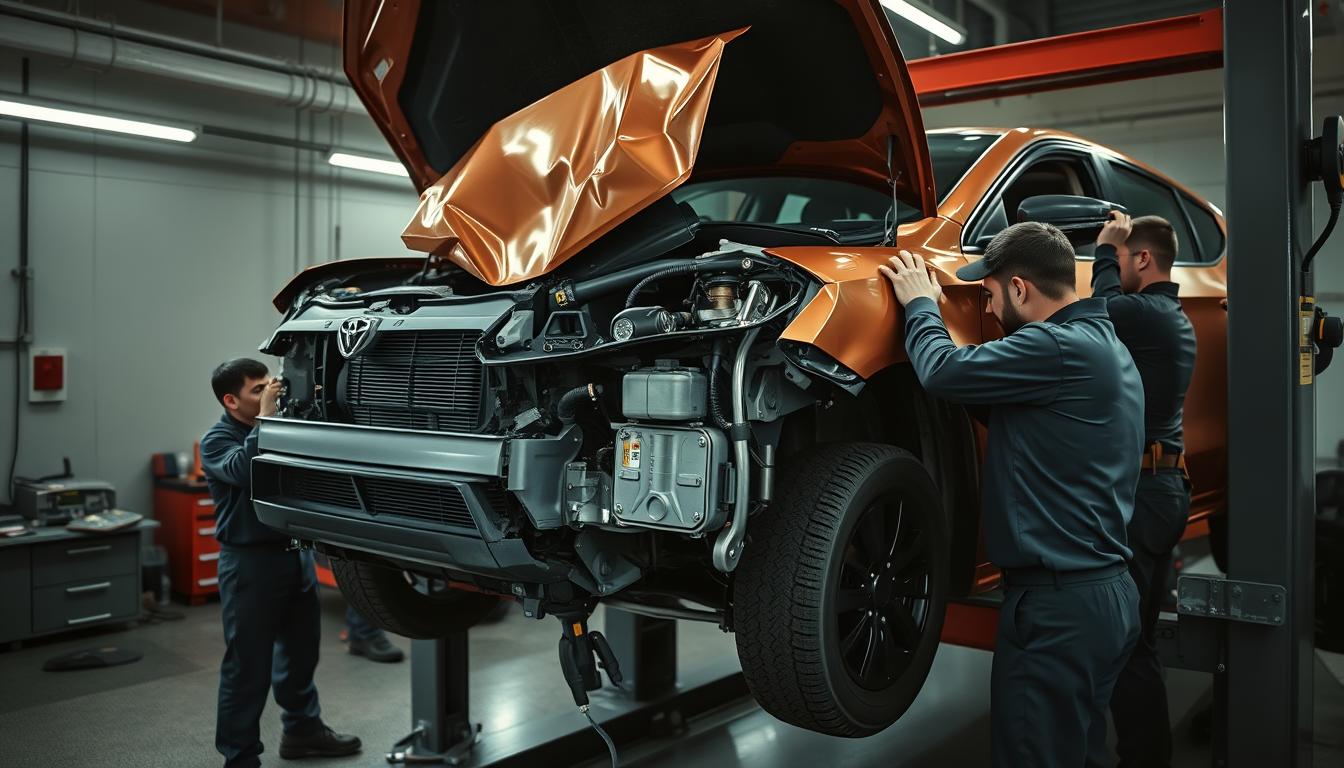
After any collision, your immediate concern should be a thorough vehicle inspection. Even minor accidents can hide serious problems that threaten your safety on the road. These evaluations serve as your first defense against unseen damage.
In Texas, annual vehicle inspections are mandatory to ensure all automobiles meet safety standards. This makes post-accident assessments even more critical for maintaining compliance. A proper inspection can reveal issues you might otherwise miss.
Skipping this important step could affect your insurance claims and legal liability. Hidden structural or mechanical problems may only surface during professional evaluation. Getting a comprehensive safety inspection provides peace of mind knowing experts have examined your vehicle.
This guide will walk you through inspection procedures, requirements, and preparation steps. You’ll learn about Texas-specific regulations and how they apply after collision incidents. Understanding this process helps protect you and other drivers.
Key Takeaways
- Immediate inspection after any collision is essential for identifying hidden damage
- Professional evaluations can spot issues that average drivers might miss
- Post-collision inspections help maintain compliance with Texas safety standards
- Skipping proper assessment could impact insurance claims and legal liability
- Thorough inspections provide peace of mind about your vehicle’s condition
- Minor accident damage can mask serious structural or mechanical problems
- Understanding inspection procedures helps protect you and other road users
Understanding Post-Collision Vehicle Inspections
When your vehicle experiences impact, comprehensive evaluation becomes essential for roadworthiness. These specialized assessments differ significantly from routine maintenance checks. They focus specifically on accident-related damage that could compromise your protection.
The Role of Inspections in Vehicle Safety
Professional vehicle inspection serves as your first defense against hidden problems. Even minor contact can affect structural integrity and mechanical systems. Experts examine components most vulnerable to collision forces.
Brakes, steering mechanisms, and airbag systems receive particular attention during safety inspection. These elements work together to protect occupants during normal operation. Impact can disrupt their coordinated function without visible signs.
What to Expect After a Collision
Immediate documentation and professional assessment prevent future issues. Contact your insurance provider promptly after any incident. Schedule a comprehensive vehicle inspection within days rather than weeks.
Technicians evaluate systems interconnected with the impact area. A fender-bender might seem superficial but can affect alignment and suspension. Thorough examination identifies these hidden relationships.
| Component System | Standard Inspection | Post-Collision Focus |
|---|---|---|
| Structural Frame | General condition check | Alignment and integrity testing |
| Braking System | Pad wear and fluid levels | Impact-related calibration issues |
| Safety Restraints | Basic functionality | Sensor and deployment system analysis |
| Steering Mechanism | Responsiveness evaluation | Post-impact alignment accuracy |
Understanding these differences helps you choose the right service. Standard Texas vehicle inspections maintain compliance. Post-collision assessments address specific impact-related concerns.
A Comprehensive Guide to Vehicle Inspection Requirements in Texas
Texas law mandates specific inspection protocols for all registered vehicles operating within state lines. These requirements ensure every automobile meets minimum standards for road use. Both safety and emissions components receive thorough evaluation during the process.
Safety and Emissions Test Overview
Your annual vehicle inspection includes comprehensive testing of critical systems. The state requires this certification for legal operation. Even with multi-year registration, you must complete yearly assessments.
New Texas residents have 30 days to comply with local inspection standards. Out-of-state certifications do not transfer automatically. All vehicles must pass the official texas state evaluation.
Current regulations remain effective until 2025. House Bill 3297 will then make inspections optional for most drivers. A $7.50 annual fee will replace the mandatory safety emissions test for many vehicles.
After any incident, your automobile must still meet standard texas vehicle inspection criteria. Addressing collision damage alone isn’t sufficient for legal driving. The comprehensive inspection covers all emissions and mechanical systems.
Essential Car safety check Procedures After a Collision
Professional technicians follow a meticulous process when examining automobiles after impact incidents. This systematic approach ensures no damage goes undetected during the evaluation.
Step-by-Step Inspection Process
The assessment begins with a comprehensive exterior examination. Technicians look for visible damage, structural misalignment, and compromised components.
They then progress to detailed system testing. Each mechanical and electrical component receives individual attention during this phase.
Key Areas Checked During the Safety Inspection
Brake systems undergo rigorous evaluation including service and parking mechanisms. Collision impacts can affect brake line integrity and hydraulic performance.
Lighting equipment verification covers all headlamps, stop lamps, and tail lamps. Electrical systems often suffer damage during accidents.
Steering mechanism tests identify alignment issues and component damage. Technicians also examine windshield integrity and tire condition thoroughly.
The final documentation phase creates a comprehensive report of all findings. This record details which items pass, fail, or need attention before road use.
Necessary Documentation and Preparation for Inspections
Gathering essential paperwork before your appointment saves valuable time and prevents delays. Proper preparation ensures technicians can begin work immediately upon your arrival.
Driver’s License and Proof of Insurance
You must present a current, valid driver license or government-issued photo ID. Expired documents will not be accepted by inspection facilities. This license photo requirement is mandatory for legal verification.
Your proof of insurance must show valid coverage. Full coverage policies from any state are acceptable. However, liability-only insurance requires a Texas provider.
Inspection Fee Details and Payment Methods
The inspection fee varies by vehicle type and location. Standard one-year assessments cost $7. Safety emissions tests range from $18.50 to $25.50 depending on your county.
Commercial vehicles have a $40 cost. You pay this inspection fee regardless of pass or fail results. Most facilities accept cash and credit cards, but calling ahead confirms payment options.
Bring your current registration information to streamline the process. Having all documents ready makes the experience efficient and stress-free.
Technologies and Methods Used in Modern Vehicle Inspections
Advanced diagnostic systems now provide unprecedented insight into your automobile’s hidden components. Professional facilities like Miracle Body and Paint Collision Center utilize technology that detects issues invisible during visual examination.
Overview of OBDII Testing and Benefits
The OBDII system continuously monitors your vehicle’s emissions components. This computerized test identifies problems before they become serious failures.
Technicians connect a scan tool directly to your automobile’s computer. The system downloads stored diagnostic information about all monitored components. This process is quicker than older methods and provides more accurate results.
| OBDII Test Component | Function | Benefit |
|---|---|---|
| Malfunction Indicator Lamp | Checks dashboard warning light operation | Early problem detection |
| Diagnostic Trouble Codes | Identifies specific component issues | Targeted repairs |
| Readiness Monitors | Evaluates system preparedness | Comprehensive assessment |
The Importance of a Vehicle Inspection Report
Your vehicle inspection report documents all test results from the professional evaluation. This inspection report serves as official proof that your vehicle meets standards.
The vehicle inspection report contains essential information for registration renewal. It shows pass/fail status and specific items examined during the inspection. Keep this document secure as proof of compliance.
Modern inspection technologies ensure your automobile receives thorough evaluation. These advanced methods protect your investment and maintain roadworthiness for all vehicles.
Meeting Texas Vehicle Inspection Standards and Regulations
Texas maintains strict protocols for all registered automobiles to ensure roadworthiness through mandatory inspections. These requirements help protect everyone on the road by verifying that each vehicle meets minimum operational standards.

Annual Safety and Emissions Inspection Requirements
Your annual texas vehicle inspection includes comprehensive evaluation of critical systems. All registered vehicles must pass this state inspection for legal operation. The process ensures your automobile meets both safety and environmental standards.
Seventeen specific counties require enhanced emissions testing in addition to standard inspections. These include travis williamson counties, Dallas, Harris, and Tarrant. Gasoline-powered vehicles aged 2-24 years must complete this additional assessment.
Diesel-powered vehicles and motorcycles are exempt from emissions requirements. Fees vary by location, with travis williamson areas charging $18.50 for combined safety emissions tests. Houston and DFW regions typically charge $25.50 for the same service.
Recent Legislative Changes and Their Impact
House Bill 3297 will transform texas state requirements starting in 2025. Most drivers will no longer need annual inspections. Instead, you’ll pay a $7.50 fee equivalent to the current inspection cost.
Until 2025, all current regulations remain fully enforceable. You must maintain current inspection status for registration renewal. Texas uses a single-sticker system where inspection stations provide a Vehicle Inspection Report instead of separate stickers.
Find authorized inspection station locations throughout Texas, including San Antonio facilities. These centers perform both standard state inspection and county-specific emissions testing. Your registration renewal depends on maintaining current inspection certification.
Post-Collision Maintenance and Long-Term Safety Considerations
Professional repairs establish the foundation for continued vehicle reliability and performance. Your commitment to ongoing maintenance determines how well your automobile protects you over time.
Even after passing initial vehicle inspections, systems affected by impact need monitoring. Create a regular maintenance schedule that includes checking components most vulnerable to collision stress.
Routine Checks to Prevent Future Issues
Between official inspections, perform simple checks to catch problems early. Monitor brake responsiveness, tire condition, and warning lights weekly. Address minor issues before they become major concerns.
When a vehicle doesn’t pass a safety inspection, technicians apply a rejection sticker. Vehicle owners receive 15 days to complete repairs and return for a free retest.
| Common Failure Reasons | Quick Check Method | Recommended Service Interval |
|---|---|---|
| Damaged lighting systems | Visual inspection at night | Monthly |
| Faulty brake mechanisms | Test response on empty road | Bi-weekly |
| Worn tire conditions | Penny test for tread depth | Monthly |
| Active warning lights | Dashboard scan before driving | Daily |
Proper maintenance saves money and prevents vehicle fail situations. Facilities like Miracle Body and Paint provide comprehensive service records that streamline future vehicle registration processes.
Both new vehicles and emissions-only vehicles benefit from consistent attention. Investing time in preventive care ensures your automobile remains trustworthy for years.
Conclusion
The journey back to confident driving begins with comprehensive post-accident evaluation. Proper assessment ensures your vehicle meets all texas vehicle inspection standards while protecting your long-term investment.
Regardless of collision type or repair cost, professional service is essential. Choosing the right inspection station makes all the difference for road readiness.
Miracle Body and Paint Collision Center offers expert vehicle restoration with 2 Locations to Serve You in San Antonio. Their team understands both technical requirements and the stress of collision damage.
Contact their North East San Antonio location today at (210) 858-3630, 4650 Walzem Rd, San Antonio, TX 78218. Experience peace of mind knowing your vehicle receives quality care from experienced technicians.

