

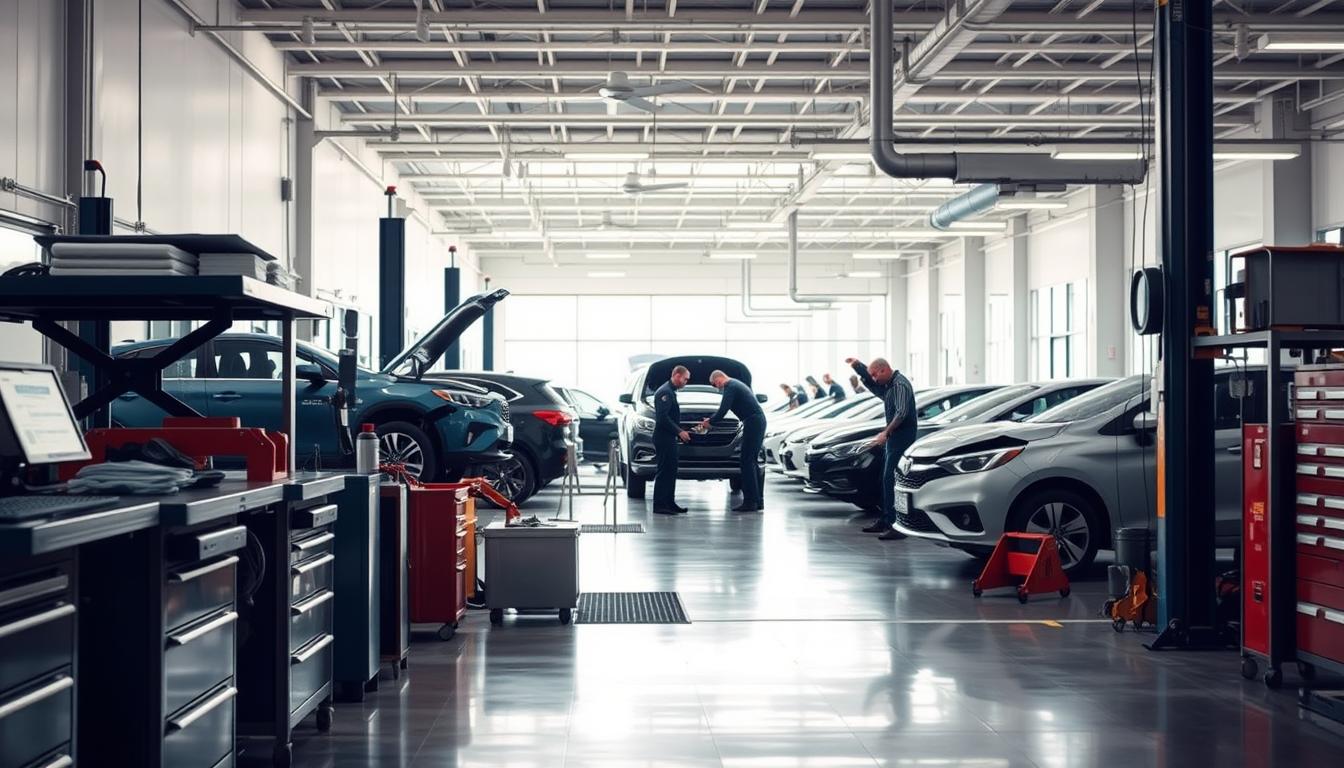
Miracle Body and Paint Collision Center makes the repair process easy to follow. You get clear steps from first contact to final delivery so you know what to expect. The company coordinates with your insurer to speed approvals and reduce delays.
You keep the right to choose your repair shop, and Miracle helps you use that right to protect your vehicle. We explain estimates, parts choices, and how supplements cover hidden damage. This saves you time and helps preserve value.
With two San Antonio locations — North West Leon Valley at 6217 Grissom Rd (210) 680-1987, and North East at 4650 Walzem Rd (210) 858-3630 — you can reach a local team fast. Expect expert body work, clear communication, and a focus on safety and fit after a collision.
Key Takeaways
- Clear process: Step-by-step guidance from start to finish.
- Your choice: You select the shop that works best for your vehicle.
- Estimate clarity: Learn why numbers differ and how supplements work.
- Parts and safety: OEM vs. aftermarket affects fit, value, and safety.
- Two local shops: Contact info and addresses for quick service.
- Minimize downtime: Tips to speed approvals and parts ordering.
Understanding Your Rights in the Insurance Claim Repair Process
You can pick where your vehicle is fixed, and Miracle Body and Paint helps you through insurer requests for multiple estimates and negotiations.
You choose the repair shop—not the insurance company. Your insurance company cannot force you to use a specific shop. If a company suggests a network, you can still select a trusted repair shop and keep your policy benefits.
When multiple estimates are requested: Insurers may ask for more than one estimate if a number looks high. You can provide estimates from reputable repair shops. A qualified body shop will document needed operations and parts tied to the loss.
- Do not accept an adjuster’s figure as final—ask for a revised estimate if it misses items.
- Bring your car and documents to inspections and make sure pre-existing damage is noted separately.
- Ask your shop to communicate directly with the insurance company on technical items and supplements.
Keep records. Save all estimates, authorizations, and messages so you can reference them if questions arise. This helps ensure the selected estimate fully funds the repairs your vehicle needs.
Check Your Auto Insurance Coverage Before You File
Before you file, review your declarations page. That page shows which coverage applies when your vehicle sustains damage in an accident. Knowing this saves time and helps you decide whether filing makes sense.
Collision, liability, and uninsured motorist each serve different needs. Collision typically pays for your vehicle repairs after a crash. Liability covers others’ injuries and property, not your car. Uninsured motorist may help when the other driver lacks coverage.
- Review your policy limits and deductibles so you know the amount you might owe.
- If another driver is at fault, their company often pays for your vehicle repairs under property damage liability.
- Confirm lienholder requirements if the car is financed; lenders may require full repairs.
- Ask whether OEM parts, rental benefits, or labor limits apply before approving any work.
Miracle Body and Paint Collision Center helps you interpret coverages and coordinates with your company. That keeps approvals moving so repairs start without delay.
Insurance Claim Auto Repair: Step‑by‑Step Overview
Capture clear photos and notes first. Take images and short videos from multiple angles of the vehicle, scene, and any nearby markers. Record the date, time, and witness names to preserve key facts.
Document the accident: photos, videos, and details that matter
Good documentation speeds the process. Save all photos, video clips, and text messages. Share them with your shop so technicians can spot hidden damage before disassembly.
How to file a claim online, by phone, or via app
You can file claim by phone, through a website portal, or with a mobile app. Provide your contact data, incident location, and a brief description. The insurer assigns an adjuster and opens a file.
Timelines and what to expect once a claim number is assigned
After you receive a claim number, use it in every call or message. Expect an inspection, an initial estimate for visible damage, and possible supplements after teardown.
- Bring your car to a body shop to streamline estimates.
- Discuss rental coverage and expected time with the insurance company so you can plan transportation.
- Keep records of all estimate revisions and approvals to avoid delays.
Working With the Claims Adjuster Without the Stress
Meeting the adjuster with your technician present cuts confusion and keeps the process moving. Miracle Body and Paint Collision Center coordinates with the adjuster on your behalf and helps you request revisions when needed. This reduces back-and-forth and shortens time to completion.
Be present for inspections and keep organized notes
Attend inspections so you can point out all damage and make sure nothing is missed. Get the adjuster’s name, phone, and email and keep clear notes of dates and summaries.
When and how to request a revised estimate
If critical repair items or parts are missing, ask for a revised estimate. Your shop will supply photos, measurements, and OEM procedures to support the change.
- Document every contact with the adjuster and the insurance company to avoid surprises.
- Ask for expected timelines on approvals so you can plan around parts and repair milestones.
- Escalate if unresponsive: contact the company to request reassignment and keep the process moving.
- Let the shop negotiate technical items while you stay informed about approvals and any out-of-pocket differences.
Repair Estimates Explained: From Visible Damage to Supplements
Estimates should tell you exactly what work is needed and why. A clear written estimate lists visible damage, labor operations, parts, materials, taxes, and the amount needed to restore your vehicle to safe function.
What a quality estimate includes and why estimates vary
A quality estimate breaks down each line: labor time, parts chosen, and specific procedures like ADAS calibrations or structural measurements. Estimates differ because shops use varying labor rates, parts sources, and methods for repair versus replacement.
Supplements: discovering hidden damage during repairs
Once disassembly begins, technicians may find hidden damage. The shop documents findings and submits a supplement to the insurance company for approval before continuing repairs.
Who gets paid: you, your lienholder, or the body shop
Payment flows depend on your policy and lender. Checks may go to you and your lienholder or directly to the shop. If you choose a cash-out instead of repairs, the company typically subtracts your deductible.
- Ask the shop: how parts sourcing, backorders, and repair costs affect timelines.
- Verify: corrosion protection, seam sealers, and weld primers are included for long-term value.
- Confirm: how structural measurements and final quality checks are documented.
Miracle Body and Paint Collision Center prepares thorough estimates, manages supplements, and coordinates payment with you and any lienholder to keep work moving and protect your vehicle’s value.
Choosing the Right Repair Shop in San Antonio
The right local shop can shorten wait times and give clearer documentation than a generic network location.
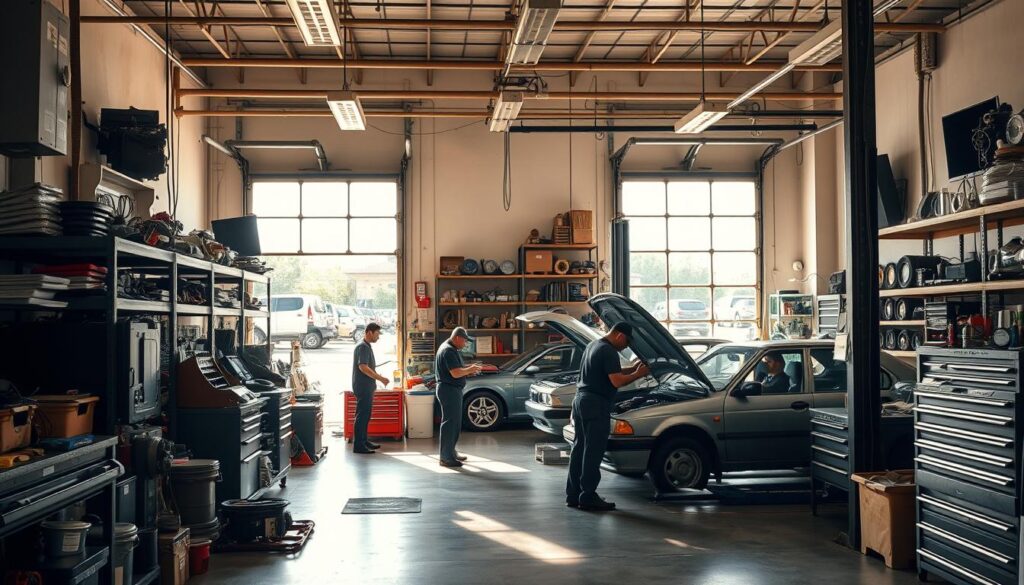
You decide where to take your vehicle. A direct network may offer guarantees, but you are not required to use it. Compare that option against a trusted local shop that prioritizes safety, quality, and transparency.
Certifications, warranties, and equipment
Look for certified technicians, documented procedures, and a written warranty that explains what is covered and for how long.
- Ask which equipment the shop uses for structural measurements, welding, refinishing, and calibrations.
- Evaluate experience with your car make, parts, and ADAS systems to ensure proper validations.
- Confirm pre‑repair inspections, teardown records, and how supplements are handled to keep approvals moving.
Miracle Body and Paint Collision Center offers certified techs, advanced equipment, and written warranties at both San Antonio locations. Tour the facility, review sample estimates, and choose a shop that communicates milestones with photos and clear documentation.
OEM vs. Aftermarket Parts and How They Affect Value
Choosing the right parts affects more than looks — it changes how your car performs after a collision. Policies may allow OEM or alternative parts, but the goal is clear: return the vehicle to its pre-loss form, fit, finish, and function.
Policy language and part selection
Review your policy to see which parts are authorized and how coverage applies to OEM, aftermarket, or recycled components. Some insurance companies steer toward alternative parts, while other programs favor OEM for safety reasons.
Fit, finish, and long‑term value
Proper parts selection affects structural integrity, crash performance, corrosion resistance, and the vehicle’s resale value. Mismatched gaps or poor mounting can compromise quality and appearance.
- Ask the shop how it verifies compatibility for sensors, brackets, and crush zones.
- Require documentation when alternative parts are used: source, certification, and any adjustments made.
- Confirm corrosion protection and manufacturer finishing steps are included for durability.
Miracle Body and Paint Collision Center helps you interpret policy language and advocates for proper fit and safety. Discuss warranties, reconditioning trade-offs, and how parts choices impact timelines and value so you can decide with confidence.
Costs, Deductibles, and When Not to File a Claim
Deciding whether to file a claim starts with simple math: compare the estimated work to what you’ll pay out of pocket.
Running the numbers: repair costs vs. deductible
Get a thorough written estimate from Miracle Body and Paint Collision Center so you can see the full amount and line items.
If the repair costs are at or only slightly above your deductible, paying yourself may save more in the long run than filing with your insurance.
Small damage, premium impact, and long-term value
At-fault incidents can raise premiums for several years with some insurance companies. Weigh that future cost against short-term savings.
- Compare costs and deductible amount to decide if filing benefits you financially.
- Confirm policy details like rental coverage and OEM parts, which affect total value and safety.
- File a claim when damage is significant, safety is at risk, or there is injury or third-party property damage.
- If your vehicle is financed, the lender may require completed repairs to protect collateral value.
Tip: Ask Miracle for a detailed estimate, then discuss timing and disassembly with your company so parts and approvals are handled efficiently.
State Reporting, Rental Cars, and Other Practical Requirements
Before you schedule work, confirm local reporting duties and rental options that affect timing.
State crash reporting obligations vary—why you should check
Some states require a formal report after a crash. Missing a deadline can affect your license or registration.
Examples: California needs an SR-1 within 10 days for injury or over $1,000 damage. New York asks for an MV-104 within 10 days and a Certificate of Automobile Repair after work is completed. Tennessee requires a personal crash report within 20 days for qualifying incidents.
Rental coverage, timelines, and keeping your car roadworthy
Confirm your policy for rental coverage, daily limits, and allowed time while your vehicle is in the shop.
- Ask the insurance company about approval time so parts ordering and scheduling align with rental availability.
- Keep your vehicle roadworthy between inspections—fix lights, glass, or safety systems or arrange towing.
- Request that your shop completes any state forms or repair certificates promptly to meet requirements.
- Get progress updates from the shop to avoid rental overages and plan your transportation.
Miracle Body and Paint Collision Center advises you on state steps, coordinates with your company, and helps manage timelines so your car returns safely and on time.
Conclusion
Get straightforward guidance so you can focus on getting back on the road. Miracle Body and Paint offers professional collision services with clear, line‑by‑line estimates and photo documentation.
Hire Miracle Body and Paint Collision Center today. The shop coordinates with insurance companies, manages supplements, and keeps you updated through the whole process.
Choose a repair shop that uses the right equipment and experience to protect your vehicle’s safety and value. Remember state reporting, parts choices, and rental limits when you plan.
Two locations to serve you: North West San Antonio – Leon Valley, (210) 680-1987, 6217 Grissom Rd., San Antonio, TX 78238; North East San Antonio, (210) 858-3630, 4650 Walzem Rd, San Antonio, TX 78218.
Call the nearest number or use your claim number to schedule—our team will handle the details so you can drive with confidence.

