


When teens start driving, many parents anxiously await the possibility of their child being involved in a car accident. It’s a harsh reality that teen drivers in the US are involved in more accidents than any other age group. At Miracle Body and Paint Collision Center, we understand the panic and worry that comes with receiving that dreaded call.
Our comprehensive guide is designed to help both you and your teen navigate this challenging situation. We recognize the importance of balancing emotional support with practical guidance during what can be a traumatic experience for your teen. By knowing the right steps to take immediately after an accident, you can make a significant difference in both your teen’s safety and the outcome of any insurance or legal processes.
Key Takeaways
- Stay calm and ensure your teen’s safety after an accident.
- Understand the importance of documenting the accident scene.
- Know how to navigate the insurance and legal processes.
- Learn how to help your teen regain their confidence behind the wheel.
- Discover the resources available to support you and your teen.
The Moment You Get That Call: First Steps
When your teen calls to say they’ve been involved in a car accident, it’s essential to remain calm. This initial reaction sets the tone for how your teen will handle the situation.
Staying Calm and Providing Emotional Support
It’s crucial to provide emotional support to your teen during this stressful time. Reassure them that you’re there to help and that everything will be okay. Your calm demeanor will help them remain composed at the scene.
Ensuring Your Teen’s Safety at the Scene
Instruct your teen to turn on hazard lights and stay in the vehicle if it’s safe to do so. If there are any injuries or significant damage, they should call emergency services immediately.
Meeting Your Teen at the Accident Location
If possible, arrange to meet your teen at the accident location to provide in-person support. Help them navigate the exchange of insurance information with other drivers involved.
After the initial steps are taken, remember to guide your teen in documenting the scene and collecting necessary information. If the vehicle is damaged, consider whether it’s safe to continue driving. For any collision repair damage, consider hiring a professional service like “Miracle Body and Paint Collision Center” to restore your vehicle to its original condition.
Essential Teen Driver Accident Guide: At the Scene
Accidents can be stressful for teen drivers, but having a clear plan can make a significant difference. When an accident occurs, it’s crucial for teens to know the right steps to take to ensure their safety and the safety of others.
Contacting Emergency Services
In the event of an accident, teen drivers should immediately call 911 to report the incident. This is a critical step, as it ensures that emergency services are dispatched promptly. When calling 911, teens should provide clear information about their location and the nature of the accident.
Documenting the Accident Scene
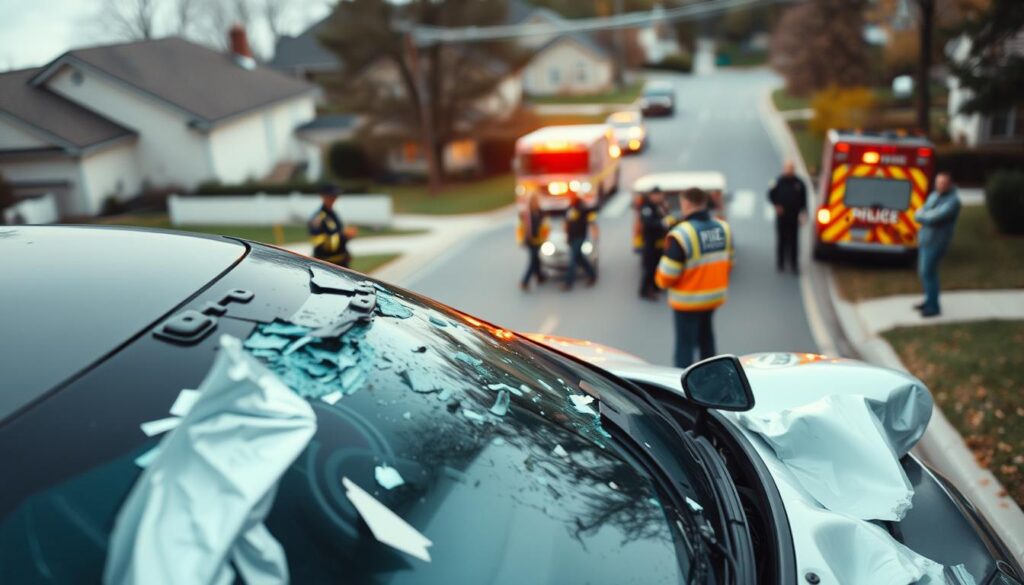
Proper documentation of the accident scene is essential. Teens should take multiple photos of all vehicles involved, capturing damage, license plates, and the overall scene if it’s safe to do so. This helps in creating a detailed record of the accident for insurance purposes.
Exchanging Information with Other Drivers
Teens should exchange complete information with other drivers involved in the accident, including names, contact details, insurance information, vehicle make/model, and license plate numbers. Using a smartphone to photograph these details can help prevent errors.
By following these steps, teen drivers can handle the accident scene effectively, ensuring their safety and facilitating the insurance process.
Navigating Insurance and Legal Matters
When your teen is involved in a car accident, understanding the insurance and legal implications is crucial. The process involves several key steps that can significantly impact the outcome of the incident.
Filing a Police Report
Filing a proper police report is a critical step after a car accident. This official documentation serves as an unbiased account of the incident and is essential for insurance claims. Ensure your teen knows to inform the police of all accidents involving someone else or their property.
Contacting Your Insurance Company
Have your teen contact their insurance company as soon as possible after the accident, ideally from the scene if it’s safe to do so. They should provide factual information about what happened without speculating or admitting fault.
Understanding Parental Liability
In many states, parents can be held financially responsible for accidents caused by their teen drivers under the “family purpose doctrine” or similar legal principles. Understanding your insurance policy’s coverage limits and how they apply to your teen driver is vital.
It’s also important to be prepared to provide your insurance company with all relevant documentation, including the police report and photos of damage. If the accident resulted in significant damage or injuries, consider consulting with an attorney specializing in auto accidents.
Supporting Your Teen After the Accident
As a parent, supporting your teen after a car accident is crucial in helping them overcome the emotional impact and regain their driving confidence. The experience can be traumatic, potentially leading to anxiety, fear of driving, or even symptoms of post-traumatic stress.
Addressing Emotional Impact and Trauma
It’s essential to create a supportive environment where your teen feels comfortable expressing their feelings without fear of judgment. Watch for signs of emotional struggle, such as avoiding conversations about driving or unusual irritability. If your teen shows persistent signs of trauma or anxiety, consider seeking professional counseling to prevent long-term psychological barriers.
- Encourage open conversation about their feelings
- Be aware of changes in behavior or mood
- Consider professional help if needed
Rebuilding Driving Confidence
Rebuilding confidence requires a gradual, patient approach. Start with short drives in familiar areas with you present, then progress to more challenging situations. Enrolling your teen in advanced driver education or defensive driving courses can also help restore confidence through structured practice.
Creating a Plan for Future Safety
Use the accident as a teaching opportunity to discuss safety measures that could have prevented it, without placing blame. Create a clear plan for future safety, which might include new family rules about driving conditions or using driver monitoring apps. Emphasize that having an accident doesn’t make them a bad driver and that learning from the experience is key.

Repairing Your Vehicle with Professional Help
Repairing your vehicle after an accident requires professional help to ensure both safety and functionality are restored. After ensuring everyone’s safety and handling the insurance claims process, the next critical step is properly assessing and repairing the vehicle damage to restore both safety and functionality.
Assessing Vehicle Damage
A professional assessment of vehicle damage is crucial even if the damage appears minor, as structural or mechanical issues may not be immediately visible but could compromise safety if left unaddressed. Make sure to get your car to an approved repair shop where professionals can evaluate the damage and provide a detailed estimate.
Choosing a Qualified Collision Repair Center
Your insurance company will typically recommend approved repair shops, but you have the right to choose your preferred collision repair center. When choosing, look for important qualifications including I-CAR certification, manufacturer certifications, positive customer reviews, warranty offerings, and experience with your specific vehicle make and model.
Why Choose Miracle Body and Paint Collision Center
Miracle Body and Paint Collision Center stands out as San Antonio’s premier choice for collision repair, offering comprehensive services from minor dent removal to major structural repairs with state-of-the-art equipment and techniques. Our team of certified technicians specializes in restoring vehicles to pre-accident condition. We work directly with all major insurance companies and provide a lifetime warranty on our workmanship. After an accident involving your teen driver, trust us to restore your vehicle with the highest quality repairs.
Contact Miracle Body and Paint Collision Center today at our North West San Antonio – Leon Valley location: (210)680-1987, 6217 Grissom Rd, San Antonio, TX 78238, or our North East San Antonio location: (210)858-3630, 4650 Walzem Rd, San Antonio, TX 78218, to get your vehicle back on the road safely.
Conclusion
Navigating the aftermath of a car accident with your teen driver can be a daunting task, but with the right guidance, you can turn this challenging experience into a valuable learning opportunity.
By following the steps outlined in this guide, you’ll be better equipped to handle the immediate consequences of the accident, from gathering information at the scene to dealing with your insurance company. Remember, the right professional support makes all the difference, whether it’s an insurance advisor or a collision repair specialist.
When you’re ready to repair your vehicle, trust Miracle Body and Paint Collision Center to provide top-notch service. With two locations in San Antonio, they offer certified technicians and state-of-the-art equipment. Contact them today at (210)680-1987 or (210)858-3630 to schedule an assessment.

