

At Miracle Body and Paint Collision Center, we understand that dealing with collision damage can be a challenging experience. Many vehicle owners are unaware of the common misconceptions surrounding auto body repair processes, which can lead to costly mistakes.
Understanding the truth behind these misconceptions is crucial for making informed decisions about your vehicle’s needs. By separating fact from fiction, you can ensure that your vehicle is restored to its original condition safely and efficiently.
We will explore seven common auto body myths and provide expert insights to empower you with accurate information about collision damage and quality standards.
Key Takeaways
- Common auto body misconceptions can lead to costly mistakes.
- Understanding the truth is crucial for making informed decisions.
- Separating fact from fiction ensures safe and efficient repairs.
- Expert insights can empower vehicle owners with accurate information.
- Accurate information helps in making the right decisions about vehicle repairs.
- Quality standards are essential for safe and efficient vehicle restoration.
Understanding Auto Body Repair Misconceptions
Auto body repair is often shrouded in misconceptions that can lead to confusion among vehicle owners. These misconceptions can stem from a lack of understanding about the repair process and the factors that influence it.
Why Myths Persist in the Auto Repair Industry
Myths in the auto repair industry persist due to a combination of factors, including misinformation and a lack of transparency. This can lead to informed decisions being made based on incorrect assumptions.
The Importance of Accurate Information
Having accurate information is crucial for making decisions about your vehicle’s care. It empowers you to recognize quality work, identify potential issues, and communicate effectively with repair professionals. By understanding the truth behind common misconceptions, you can ensure your vehicle is properly cared for.
Myth #1: Minor Dents and Scratches Don’t Need Immediate Attention
Many car owners believe that minor dents and scratches are cosmetic issues that don’t require immediate attention. However, this misconception can lead to more significant problems down the line.
The Myth
The idea that minor dents and scratches are merely aesthetic issues is a myth that can have serious consequences. People often think that as long as the damage is superficial, it doesn’t need to be addressed urgently.
The Truth About Untreated Damage
The truth is that even minor damage can expose your vehicle’s metal to the elements, potentially leading to rust and corrosion. If left untreated, such damage can lead costly repairs. For instance, scratches that penetrate the clear coat can accelerate deterioration by exposing the underlying paint and metal. Modern vehicles require specialized repair techniques to maintain their protective properties, and what seems like surface damage might actually affect underlying components.
- Minor dents and scratches can compromise the paint protection system, leading to rust over time.
- Scratches that penetrate the clear coat expose the underlying layers to environmental elements.
- Untreated damage can result in costly repairs, often much more expensive than prompt fixes.
- Professional repair techniques are necessary to maintain the protective properties of modern vehicle finishes.
- Apparent surface damage may hide underlying issues that aren’t visible to the untrained eye.
Myth #2: Insurance Will Cover All Collision Repair Costs
The assumption that insurance covers all collision repair costs is a common misconception. Many factors come into play when determining the extent of insurance coverage for vehicle repairs.
The Myth
Some car owners mistakenly believe that their insurance will cover every expense related to collision repairs. This misconception can lead to unexpected financial burdens when repair bills arrive.
Understanding Insurance Coverage Reality
In reality, insurance coverage depends on your specific policy, including deductibles, coverage limits, and exclusions. Most policies require you to pay a deductible before insurance coverage kicks in. Insurance companies may also have preferred repair methods or parts that meet their cost guidelines. Understanding your policy before an accident occurs can help you make better decisions about repair options and avoid unexpected expenses.
Myth #3: All Auto Body Shops Deliver the Same Quality Work
The notion that all auto body shops deliver the same quality work is a common misconception. This myth can lead car owners to make uninformed decisions when choosing a repair shop.
The Myth
Many believe that any auto body shop can provide high-quality repairs, regardless of their experience or qualifications. However, this assumption overlooks the complexity of modern vehicle construction and the specialized skills required for proper repairs.
Why Experience and Certification Matter
Experience and proper certification significantly impact the quality of auto body repairs. Technicians who undergo rigorous training and testing are better equipped to understand modern repair techniques and vehicle construction. Shops with manufacturer certifications have invested in specific training and equipment, ensuring repairs meet factory specifications. Experienced shops stay updated with evolving vehicle technology, which is crucial for repairing modern vehicles with advanced materials and systems.
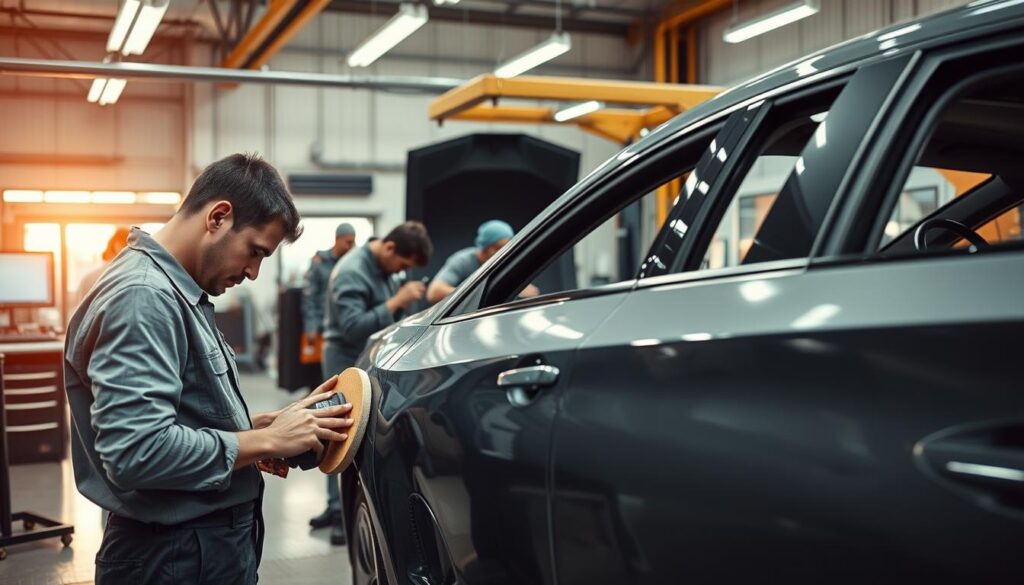
By choosing a shop with certified technicians and a commitment to ongoing training, car owners can ensure their vehicle is repaired using the latest techniques and to the highest standards.
Myth #4: DIY Auto Body Repair Is Always Cheaper
The idea that DIY auto body repair is always cheaper is a common misconception. While the initial cost of materials might seem lower, there are several factors to consider that can significantly increase the overall expense.
The Myth
Many vehicle owners believe that attempting a DIY auto body repair will save them money. However, this assumption overlooks the complexity and specialized requirements of modern auto body repair.
The Hidden Costs of DIY Repairs
DIY repairs can lead to hidden costs due to the lack of proper expertise and the need for specialized tools. Some key considerations include:
- The cost of acquiring specialized tools, which can be expensive and are often used only once.
- The potential for underlying damage to remain unaddressed, leading to structural issues or premature failure of the repair.
- The negative impact on a vehicle’s resale value due to amateurish repairs.
- The likelihood of needing professional correction for failed DIY attempts, resulting in double the cost for the same repair.
By understanding these factors, vehicle owners can make informed decisions about their auto body repair needs.
Myth #5: New Cars Don’t Need Special Collision Repair Techniques
There’s a common misconception that new cars don’t need specialized repair methods after a collision. This myth can lead to improper repairs, compromising the vehicle’s safety and integrity.
The Myth
The belief that new cars don’t require special collision repair techniques is misleading. Many assume that modern vehicles can be repaired using standard methods, but this is not the case. In reality, modern vehicles incorporate advanced materials that demand specific repair procedures to maintain their structural integrity.
Modern Vehicle Technology and Repair Requirements
Today’s vehicles feature sophisticated safety systems and sensors that must be properly calibrated after collision repairs. The use of advanced materials like high-strength steel, aluminum, and carbon fiber requires specialized knowledge and equipment. Incorrect repair techniques can compromise the engineered crumple zones and safety features, potentially putting occupants at risk in subsequent collisions. Manufacturers continually update their repair procedures to address the complexity of new vehicle designs, emphasizing the need for technicians to stay informed and follow these guidelines precisely.
Myth #6: Color Matching Is Simple and Always Perfect
Color matching is often perceived as a straightforward process, but this couldn’t be further from the truth. In reality, achieving a precise color match involves a combination of scientific precision and artistic expertise.
The Complexity of Color Matching
The myth that color matching is simple stems from a lack of understanding of the numerous factors that affect paint appearance. These include the angle of viewing, light source, paint age, and environmental exposure. Even factory paint can exhibit variations between panels on the same vehicle or between vehicles of the same color code and year.
The Science and Art of Proper Color Matching
Professional color matching requires creating custom blends and applying specialized techniques to seamlessly blend new paint with existing finishes. Metallic, pearl, and tri-coat finishes are particularly challenging to match and demand extensive experience to achieve satisfactory results. By understanding the complexities involved, we can appreciate the skill required for accurate color matching.
Myth #7: Auto Body Repair Myths Debunked: Aftermarket Parts Are Just as Good as OEM
Understanding the differences between OEM and aftermarket parts is essential for making informed decisions about your vehicle’s repair. While aftermarket parts may seem like a cost-effective alternative, their quality can vary significantly.
The Myth
The myth that aftermarket parts are equivalent to OEM parts in terms of quality and safety is misleading. Many consumers believe that both types of parts will perform similarly, but this isn’t always the case.
OEM vs. Aftermarket: What You Need to Know
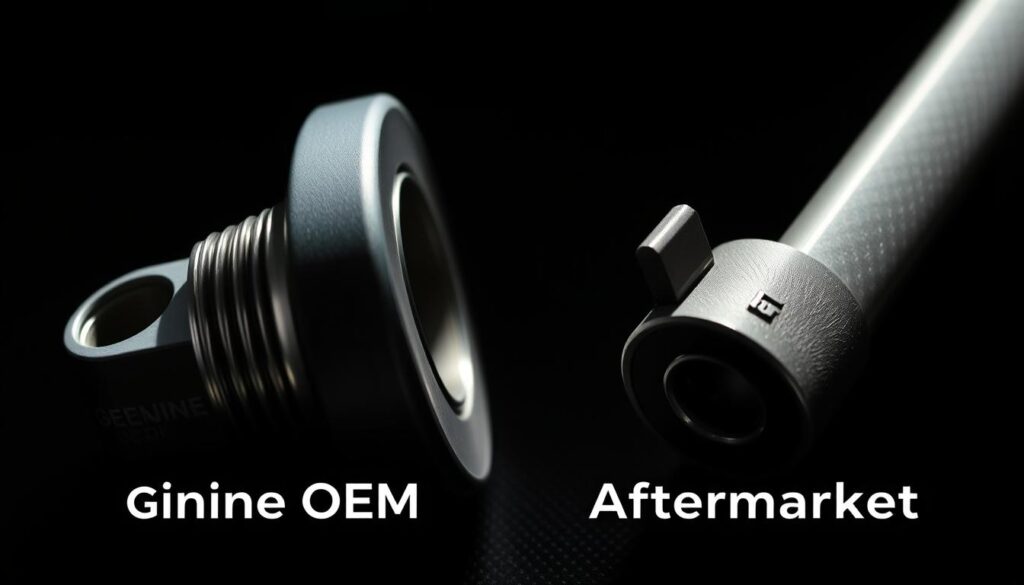
OEM parts are designed and tested specifically for your vehicle model, ensuring proper fit and function. In contrast, aftermarket parts can range from near-OEM equivalents to significantly inferior products that may affect safety and performance. Key differences include:
- OEM parts maintain your vehicle’s warranty, while aftermarket parts may void certain provisions.
- Quality differences become apparent over time through issues with fit, finish, durability, and corrosion resistance.
- For safety-critical components, aftermarket parts can potentially compromise crash performance and occupant protection.
How to Choose a Qualified Auto Body Repair Shop
With so many auto body repair shops available, it’s essential to know what to look for to ensure you receive top-notch repairs. When searching for a reliable shop, there are several key factors to consider.
Key Certifications to Look For
A qualified auto body repair shop should have the necessary certifications, such as those from the Inter-Industry Conference on Auto Collision Repair (I-CAR) or the National Institute for Automotive Service Excellence (ASE). These certifications indicate that the technicians have the training and expertise to perform high-quality repairs. Look for shops that are also certified by vehicle manufacturers, as this demonstrates their ability to follow specific repair procedures.
Questions to Ask Before Committing
Before committing to an auto body repair shop, there are several questions you should ask to ensure you’re making the right choice. Inquire about their experience with your specific vehicle make and model, especially if it’s a newer or luxury vehicle. It’s also crucial to ask about their warranty policy; quality shops typically offer written warranties on their work and the parts they install. Additionally, question their approach to following manufacturer repair procedures and their process for quality control and final inspection.
The Long-Term Impact of Quality Collision Repair
When it comes to collision repair, the quality of the work done can have long-term consequences on your vehicle’s structural integrity. Quality collision repair is not just about aesthetics; it’s about ensuring that your vehicle is restored to its pre-accident condition, both in terms of appearance and safety.
Vehicle Value Preservation
Proper collision repair helps maintain your vehicle’s value by ensuring that all repairs are done to the manufacturer’s specifications. This includes using the correct materials and techniques, which is crucial for preserving the vehicle’s overall condition and, by extension, its resale value. A well-repaired vehicle will have a higher resale value compared to one that has been improperly repaired.
Safety Considerations
Quality collision repair is essential for maintaining your vehicle’s safety features. Modern vehicles are designed with complex safety systems, including crumple zones and energy management systems, which must be properly repaired to function correctly in future accidents. Ensuring that these systems are restored to their original state is critical for occupant protection. Moreover, proper repair procedures guarantee that all safety features continue to provide the protection you and your passengers deserve, maintaining the vehicle’s integrity.
- Quality collision repair ensures that your vehicle’s safety systems are properly restored after an accident.
- Modern vehicles’ specific crumple zones and energy management systems must be properly repaired to function in subsequent collisions.
- Improper repairs can compromise occupant protection and potentially lead to catastrophic failures.
Why Miracle Body and Paint Collision Center Stands Out
In a crowded market, Miracle Body and Paint Collision Center distinguishes itself through its expertise, advanced technology, and dedication to excellence. Our commitment to delivering high-quality collision repair services is evident in every aspect of our work.
Our Expertise and Commitment to Quality
At Miracle Body and Paint Collision Center, we have invested in state-of-the-art equipment for precise diagnostics, repair, and refinishing. Our team is trained to handle the latest vehicle technologies, ensuring that your car is restored to its pre-accident condition. We take pride in our work, guaranteeing satisfaction with our services.
Advanced Technology and Techniques
We utilize modern paint mixing and application technology for superior color matching and finish quality. Our facility is equipped with specialized tools for working with advanced materials, including aluminum and high-strength steel. Additionally, we employ computer-aided systems for calibrating advanced driver assistance systems (ADAS) and safety sensors after collision repairs, ensuring precision in every detail.
Conclusion
Separating fact from fiction in auto body repair can significantly impact the outcome of collision repairs. By debunking common repair myths, we’ve shed light on the truth behind seven prevalent misconceptions that often lead vehicle owners astray. Understanding the reality of auto body repair helps protect your vehicle’s value, appearance, and safety.
At Miracle Body and Paint Collision Center, we’re committed to educating our customers and providing transparent, high-quality repair services. With two convenient locations in San Antonio, we’re ready to serve you. Our North West San Antonio – Leon Valley location at 6217 Grissom Rd. can be reached at (210) 680-1987, while our North East San Antonio location at 4650 Walzem Rd. is available at (210) 858-3630.
We invite you to make informed decisions about your collision repairs and experience the difference that professional, knowledgeable service can make for your vehicle. Contact us today to schedule an assessment of your vehicle’s collision damage and discover why so many San Antonio residents trust us with their repairs.

